

For years, scientists have been puzzled by a "microbiome paradox": a specific bacterium called Bacteroides fragilis is frequently found in patients with colorectal cancer (CRC), yet it also lives harmlessly in the guts of millions of healthy people. New research published in February 2026 has finally identified the likely "smoking gun"—a hidden virus lurking inside the bacterium itself.
The Discovery: A Virus Within a Bacterium
Researchers from the University of Southern Denmark and Odense University Hospital discovered a previously unknown bacteriophage—a virus that infects bacteria—living within certain strains of B. fragilis. While the bacterium is common, the study found that individuals with colorectal cancer were twice as likely to carry strains infected with this specific virus.

Why This Matters for Cancer Research
This "hidden" virus appears to alter its bacterial host's behavior, potentially tipping the scales toward disease.
The Paradox Solved: The presence of the virus explains why some people carry B. fragilis without issue, while in others, the same species is associated with tumor growth.
Wider Implications: The study, which included data from nearly 900 people across Europe, the U.S., and Asia, suggests this is a global phenomenon rather than a localized trend.
New Biomarkers: Early tests showed that screening for these viral sequences could identify about 40% of cancer cases, offering a potential new tool for non-invasive screening via stool samples.
While the link is currently a strong statistical association rather than proven direct causation, the discovery opens new doors for cancer prevention. Future research is already underway to determine whether the virus directly causes DNA damage or simply thrives in the altered environment of a cancerous gut.
In the short term, this shift in focus from "which bacteria are present" to "what is inside the bacteria" could revolutionize how we identify high-risk individuals before tumors even form.
Integrating viral biomarkers into colorectal cancer (CRC) screening represents a shift toward precision microbiome profiling, which aims to address the limitations of current non-invasive tests. As of early 2026, these viral tests remain in the experimental phase. However, they are a key part of the move toward "liquid biopsy" and advanced microbiome screening that could eventually make invasive colonoscopies less frequent for the average person.

Dietary habits can significantly influence the behavior of gut microbes and the risk of CRC, though research specifically on the Bacteroides fragilis virus is still emerging.
Suppressing Harmful Strains: High-fiber diets—rich in fruits, vegetables, and whole grains—can promote the growth of beneficial bacteria that may outcompete "bad" microbes, like toxigenic B. fragilis, which produce DNA-damaging toxins.
Viral Interactions: Recent studies suggest that certain dietary compounds, such as polyphenols (found in tea, coffee, and nuts), may inhibit viral activity or damage viral capsids, potentially reducing their ability to infect bacteria.
Prophage Induction: Some nutrients, like fructose or short-chain fatty acids (SCFAs), can actually trigger "prophage induction"—causing hidden viruses to activate and potentially kill their host bacteria, which researchers are investigating as a way to eliminate harmful gut microbes.
-
Inflammation Reduction: Diets high in fermented foods (like yogurt and kimchi) have been shown to increase overall microbial diversity and decrease markers of host inflammation, which may counteract the pro-inflammatory effects of infected B. fragilis strains.
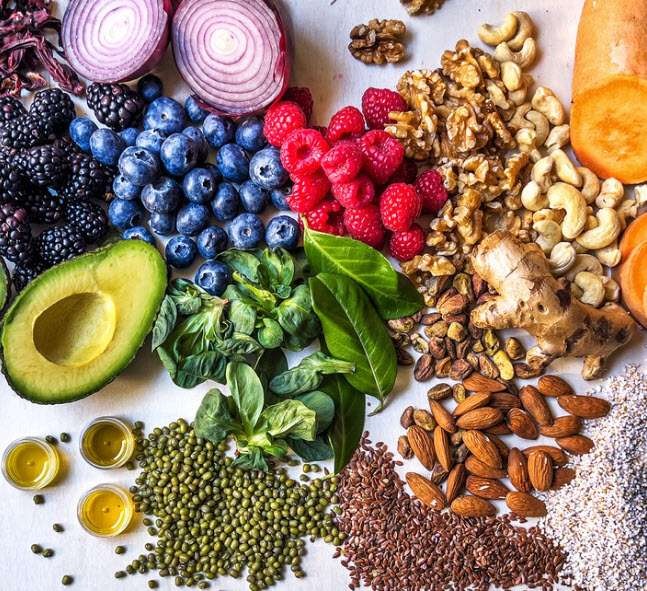
To best support your microbiome against CRC-linked pathogens, experts recommend:
30g of fiber daily: This fuels the production of butyrate, which has anti-tumor effects.
Limited Red/Processed Meats: These are known to enrich bacteria like Bacteroides that are linked to inflammation and mucosal damage.
Calcium-Rich Foods: Calcium can bind to harmful compounds in the gut, preventing them from damaging the colon lining.
A healthy diet can improve the gut microbiome. Exercise and colon hydrotherapy cannot prevent this virus, but along with a healthy diet, can help create a healthy terrain for the body to function at its best.


Write A Comment