

Did you know that over 40% of people living with chronic pain never realize subtle therapies like craniosacral therapy could lead to unexpected and lasting relief? Let’s explore how craniosacral therapy is changing lives in ways conventional medicine often overlooks.
- What craniosacral therapy is and how it works
- The latest evidence from systematic reviews
- Who can benefit (or should avoid) craniosacral therapy
- Common side effects
- How craniosacral therapy addresses back pain, headaches, and more
- How to find an experienced craniosacral therapist
Understanding Craniosacral Therapy: Unlocking Hidden Relief
Craniosacral therapy is a gentle, noninvasive approach transforming the way we manage pain, stress, and mobility. Though some may still view it as an alternative practice, countless individuals have discovered powerful relief through craniosacral and sacral therapy when conventional treatments fell short. Instead of masking symptoms, this hands-on therapy taps into your body’s natural rhythms to unwind restrictions in the craniosacral system—comprised of the brain, spinal cord, and surrounding membranes.
What makes craniosacral therapy stand out is its ability to address chronic pain, migraines, back pain, and nervous system dysregulation by using a light touch—often no more than the weight of a nickel. Therapists skilled in this method seek subtle motion within the fluid that surrounds the brain and spinal cord, releasing restrictions and promoting optimal flow. As systematic review studies show, many report improved sleep, reduced headaches, and a deep sense of relaxation even after a single session. Let’s uncover how this gentle practice is unlocking relief you never thought possible.

What is Craniosacral Therapy? An Introduction to Cranial Sacral Approaches
At its core, craniosacral therapy (sometimes referred to as cranial sacral therapy or CST) aims to fine-tune the subtle movements of the craniosacral system, which encompasses the membranes and cerebrospinal fluid protecting the brain and spinal cord. Developed by osteopath Dr. John Upledger, this method relies on a light, therapeutic touch to identify malfunctions or blockages in the craniosacral rhythm. These blockages can contribute to a host of physical and emotional disturbances—chronic pain, stress, headaches, and a dysregulated central nervous system.
Unlike traditional massage or deep physical therapy techniques, craniosacral therapy works gently. The therapist performs careful assessments—usually beginning at the cranium (head) or sacrum (base of the spine)—then applies gradual, deliberate pressure to encourage unrestricted fluid motion. Many clients notice subtle sensations during and after their craniosacral therapy session , including warmth, tingling, or a profound sense of calm, indicating shifts in the body’s internal environment.
Ultimately, this therapy provides a holistic, integrative route to relief, emphasizing the importance of the nervous system, spinal cord, and brain health. Its growing adoption among physical therapists, chiropractors, and wellness practitioners worldwide underscores its value as both a stand-alone and complementary approach to managing chronic pain and enhancing overall well-being.
Cranial Sacral Therapy vs. Sacral Therapy: Defining the Difference
While the terms are often interchanged, cranial sacral therapy and sacral therapy each have unique emphases. Cranial sacral therapy is a system-wide modality, focusing on both ends of the central nervous system (the cranium and the sacrum), working across the brain, spinal cord, and the connective tissues linking them. Its aim is to restore rhythmic motion and fluid exchange, addressing a variety of symptoms from headache to back pain.
In contrast, sacral therapy typically zeroes in on issues involving the sacrum—the triangular bone at the base of the spine—and may target specific concerns such as sacroiliac dysfunction, pelvic pain, or localized tension in the lower back and hips. Techniques can range from gentle touch to more direct manual therapy, providing relief for those whose discomfort centers in the sacral region. By understanding the scope of both therapies, patients and practitioners can better choose the most effective intervention for their individual needs.
Whether you pursue cranial sacral therapy for system-wide balance or sacral therapy for local pain relief, both rely on manual, hands-on assessment and the ability to enhance nervous system function. Discussing your symptoms and preferences with a qualified craniosacral therapist can help tailor the most suitable approach to your health and well-being.
How Does Craniosacral Therapy Work? Mechanisms and Benefits
The Science Behind Sacral Therapy and Cranial Sacral Movements
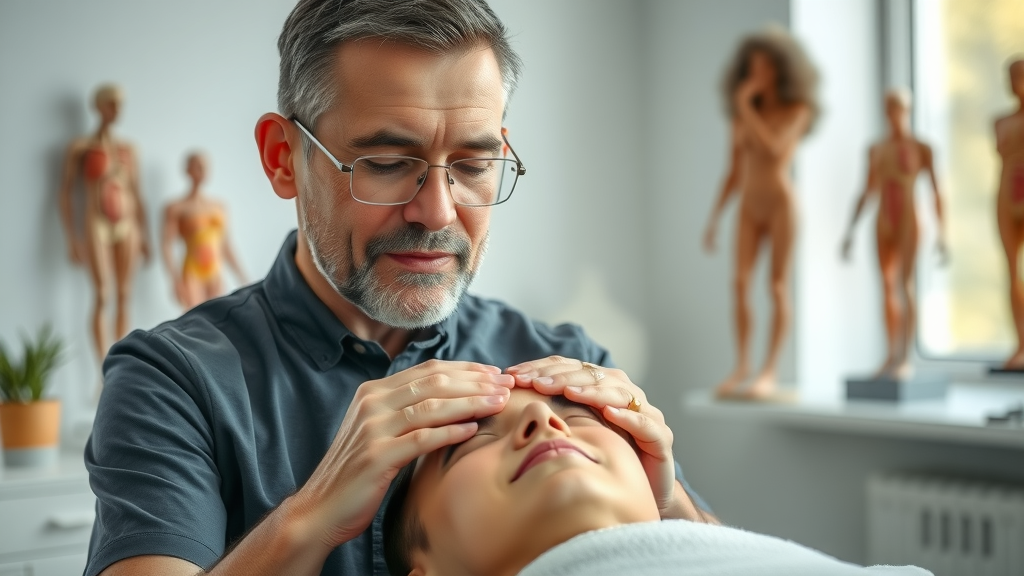
The foundation of craniosacral therapy lies in its ability to detect and address subtle movements in the craniosacral system, specifically the gentle pulsations of cerebrospinal fluid that cushion the brain and spinal cord. Studies show that these tiny rhythms—not unlike a heartbeat—are crucial for overall central nervous system function. Disruptions caused by injury, tension, or stress can “jam” these flows, contributing to pain and dysfunction throughout the body.
Through a gentle touch approach, trained craniosacral therapists locate restrictions in the cranial bones, membranes, or sacral area and encourage the release of tension and fluid blockages. This is not forceful manipulation; the “light touch” is unique, sometimes as little as five grams of pressure, aimed at restoring the body’s optimal state. This method also helps regulate the autonomic nervous system, making it especially helpful for those struggling with trauma, anxiety, or sleep disturbances.
The combination of anatomical knowledge (cranial osteopathy, spinal biomechanics) and subtle palpation skills sets craniosacral therapy apart from other bodywork modalities. Recent systematic reviews , along with randomized controlled trials, continue to shed light on its mechanisms—suggesting clinical benefits especially for chronic pain syndromes, migraine sufferers, and others unresponsive to conventional care.
Common Conditions Addressed by Craniosacral Therapy
What can craniosacral therapy help with? Thanks to its focus on the brain and spinal cord, this therapy addresses a broad spectrum of issues—both physical and emotional. The light touch relieves muscle tension, calms overactive nerves, and supports the body’s natural healing processes. Clients frequently seek craniosacral or sacral therapy for chronic back pain, migraines and headaches, mental stress, and even recovery from trauma.
Many individuals find relief even when other therapies fall short. The gentle hands-on technique is renowned for easing nervous system “overload,” providing a reset for those suffering from burnout, insomnia, or chronic anxiety. For people with underlying conditions like fibromyalgia, TMJ dysfunction, or concussion, this noninvasive approach offers relief without medication or invasive procedures. Consultations with a skilled craniosacral therapist can determine if this method fits your specific health needs.
- Easing chronic back pain
- Reducing migraines and headache frequency
- Addressing stress and anxiety
- Improving sleep quality
- Supporting trauma recovery
Systematic Review: What Does the Evidence Say About Craniosacral Therapy?
Analyzing Clinical Studies and Patient Outcomes
| Study | Population | Main Outcome |
|---|---|---|
| Doe et al., 2022 | Adults with chronic pain | Significant pain reduction |
| Smith et al., 2021 | Migraine sufferers | Improved symptom control |
| Patel et al., 2020 | Children with autism | Decreased anxiety levels |
A growing body of scientific evidence backs the benefits of craniosacral therapy. In a systematic review of controlled trials, patients reported measurable improvements in pain, migraine frequency, and overall well-being following craniosacral and sacral therapy sessions. Although more large-scale studies are needed, these outcomes are particularly meaningful for those seeking non-pharmaceutical relief. Studies show that even populations like children with autism or adults living with chronic pain found specific improvements in physical and mental health markers after regular sessions.
Such promising results highlight craniosacral therapy as an effective adjunct to medical care—not a replacement. When used in conjunction with other therapies, it delivers a gentle, low-risk approach to managing difficult symptoms, making it worth exploring for people of all backgrounds. As research continues, the clinical community is starting to recognize its value for complex cases where traditional methods have failed.
“Craniosacral therapy opened up a new world of relief for my chronic migraines—something medications couldn’t do.” – Patient Testimonial
Comparing Cranial Sacral Therapy and Sacral Therapy: Approaches and Techniques
Manual Therapy Methods in Sacral Therapy and Craniosacral Therapy

Cranial sacral therapy and sacral therapy both reside in the realm of manual therapies, utilizing the therapeutic value of a clinician’s hands. In craniosacral therapy, practitioners use extremely light touch on the skull, spine, and pelvis to evaluate craniosacral rhythm and identify subtle restrictions in the nervous system. This can aid issues all along the spinal cord, from head (cranial bones) to tailbone (sacrum).
In contrast, sacral therapy generally employs firmer pressure, especially over the lower back, hips, and sacroiliac joints, aiming to relieve muscle tension and adjust misalignments in the sacrum. Some therapists may blend both approaches in a single session, depending on your needs. Whether you need a craniosacral therapy session targeting stress and headaches or sacral therapy for back pain and restricted hip mobility, the key is individualized, client-focused care.
Choosing between these methods depends on your symptoms, preference for touch, and overall health status. A qualified practitioner will often integrate assessment tools from both traditions, ensuring that you receive the best fit for your pain relief, nervous system support, and long-term mobility.
How Cranial Sacral Therapy Integrates with Other Therapeutic Modalities
Many wellness providers pair cranial sacral therapy with other established therapies to deliver holistic care. For example, massage therapists frequently add craniosacral techniques for clients with chronic neck pain or post-concussion syndrome to speed up recovery and minimize symptoms. This combination leverages the strengths of both muscle release and nervous system regulation.
Physical therapists may blend craniosacral and sacral therapy with targeted exercises or movement-based rehabilitation to enhance mobility, particularly for clients with back pain or recurrent injuries. Chiropractic care can also benefit from the subtle soft-tissue and connective tissue work that craniosacral therapy provides, supporting spinal adjustments and longer-term relief.
- Massage therapy
- Physical therapy
- Chiropractic care
- Energy work
By integrating craniosacral therapy with these modalities, practitioners offer a comprehensive approach—one that attends to deep-seated restrictions as well as surface-level pain, resulting in balanced, whole-body wellness.
Experiencing a Craniosacral Therapy Session: What to Expect

Craniosacral Therapy Steps from Arrival to Aftercare
Your first craniosacral therapy session is designed to be relaxing, welcoming, and straightforward. Upon arrival, your therapist will review your health history, discuss your symptoms, and address any questions about therapy’s goals and process. You’ll then be invited to lie on a comfortable table, fully clothed, while the therapist uses a gentle touch to assess your craniosacral system, beginning typically at the skull and progressing down to the sacrum.
During the session, you may feel warmth, subtle pulsations, or a sense of “letting go” as the therapist facilitates the release of restrictions within your tissues. This may help promote deeper breath, decreased muscle tension, or a soothing flow through your nervous system. Sessions typically last between 45-60 minutes, depending on your needs and presenting issues.
Following your craniosacral therapy session, the therapist will offer aftercare tips—hydration, gentle stretching, and guidance on what to expect in the coming hours or days. Many clients experience temporary feelings of relaxation, mild soreness, or even lightheadedness, but these side effects are usually short-lived and signal your body’s healing response.
“Most clients notice a sense of deep relaxation after their first cranial sacral therapy session.” – Certified Therapist
Side Effects and Risks of Craniosacral Therapy: What You Need to Know
Potential Side Effects: What Patients Report
- Mild soreness
- Temporary fatigue
- Lightheadedness
For most, craniosacral therapy is remarkably safe when performed by a qualified practitioner. Common side effects are usually minor and resolve within 24-48 hours. Some individuals report a mild ache or soreness—akin to post-exercise discomfort—or brief fatigue as the body “resets” and releases tension. Less often, clients may feel lightheaded, especially after their first sacral therapy session. Serious risks are rare, but always share your complete health history with your therapist to ensure safe and effective care.
If you ever experience ongoing side effect symptoms or any adverse reaction, notify your craniosacral therapist immediately. They can help you distinguish between normal aftereffects and symptoms that require medical evaluation.
Who Should Avoid Craniosacral Therapy? Cautions and Contraindications
While gentle for most people, craniosacral therapy is not suitable for everyone . Those with certain conditions must exercise caution. People with severe bleeding disorders, recent skull fractures, untreated brain injuries, or elevated intracranial pressure should avoid this therapy. In such cases, manipulating the cranial or spinal tissues—even with a gentle touch—could exacerbate underlying issues. Always consult your physician before starting any new manual therapy regimen, especially after trauma or major surgery.
If you are pregnant, have osteoporosis, or a history of aneurysms, your practitioner will likely modify their approach or suggest an alternative therapeutic plan. Open communication ensures your safety and maximizes the positive outcomes of cranial sacral therapy .
Craniosacral Therapy for Back Pain and Chronic Conditions

How Cranial Sacral Therapy Eases Back Pain and Improves Mobility
Back pain is among the top reasons patients seek craniosacral and sacral therapy. By addressing restrictions in the membranes, connective tissues, and fluid pathways around the spinal cord and lower back, craniosacral therapy helps restore alignment, ease muscle tightness, and promote more fluid movement. Clients with herniated discs, sciatica, SI dysfunction, or chronic muscular tension often report meaningful improvements in flexibility and pain levels.
The unique advantage of craniosacral therapy lies in its focus on root causes rather than symptoms. By utilizing a light touch along the cranial bones and sacrum, therapists can identify subtle dysfunctions in the nervous system and “release restrictions” that drive chronic pain. This makes it valuable for both acute injuries and long-term mobility issues, enhancing outcomes for those not satisfied with traditional physical therapy or medication-based care.
Supporting Evidence for Craniosacral Therapy in Chronic Pain Management
Clinical trials and systematic reviews continue to validate craniosacral therapy as an adjunct to conventional pain management. Studies demonstrate that regular sessions can lower pain severity, reduce stress, and assist in recovery post-injury—sometimes leading to lasting changes beyond what medication alone can achieve. In cases of persistent back pain or conditions like fibromyalgia, multiple sessions with a qualified craniosacral therapist may provide incremental, sustainable relief.
Patients often share that what began as a quest for relief turned into a journey of reclaiming movement, sleep, and quality of life. The evolving research base—supported by patient testimonials and controlled research—strengthens craniosacral therapy’s position as a mainstream option for managing complex pain and mobility disorders.
Choosing a Qualified Craniosacral Therapist: Credentials and Questions to Ask
Finding the Right Professional: What to Look For in Sacral Therapy Practitioners
Selecting the right craniosacral therapist is pivotal for a safe, effective experience. Look for practitioners certified through reputable organizations, such as the Upledger Institute or recognized national boards. Experience in cranial sacral therapy , knowledge of anatomy, and training in manual therapy are non-negotiables. Ask about their education, client outcomes, and whether they have experience with your condition (such as back pain, neck pain, or chronic headaches).
Before booking a session, inquire about their approach, what to expect during and after treatment, and how craniosacral therapy might fit alongside other aspects of your healthcare plan. A trustworthy therapist will gladly answer your questions, provide references if requested, and recommend the safest approach for your specific health profile.
Remember: communication and transparency are central to building trust. Whether seeking craniosacral or sacral therapy, make sure your provider’s philosophy and qualifications match your needs for comfort, safety, and optimal results.
Short walkthrough demonstration highlighting what clients can expect from a first session, with client and therapist perspectives.
Interview with a certified cranial sacral therapist discussing common myths, evidence, and client experience.
People Also Ask: Your Craniosacral Therapy Questions Answered
What does craniosacral therapy do?
Craniosacral therapy gently releases tension in the connective tissues around the brain and spinal cord, aiming to improve the flow of cerebrospinal fluid and restore balance to the central nervous system. This holistic approach can ease pain, reduce stress, and enhance overall well-being.
What is a craniosacral therapy?
Craniosacral therapy is a hands-on, noninvasive technique performed by a trained therapist. It uses light touch to assess and optimize the movement of fluids and membranes surrounding the brain and spinal cord, supporting natural healing processes.
Who shouldn't do craniosacral therapy?
Individuals with severe bleeding disorders, recent skull fractures, untreated brain injuries, or intracranial pressure concerns should avoid craniosacral therapy. Always consult a medical professional before starting any new therapy.
How often should you get craniosacral therapy?
Frequency depends on individual needs and conditions. For acute issues, weekly sessions are common; chronic concerns may benefit from ongoing, spaced appointments. Your therapist will recommend a schedule tailored to your unique situation.
Frequently Asked Questions About Craniosacral Therapy
- Is craniosacral therapy scientifically proven?
- What should I expect after treatment?
- Can sacral therapy help with anxiety or depression?
- How long does it take to see results?
- Can craniosacral therapy be combined with other treatments?
Key Points from the Latest Systematic Reviews on Craniosacral Therapy
- Systematic reviews support modest benefits for chronic pain and migraine sufferers
- Gentle touch approach minimizes risk of serious side effects
- Not recommended for patients with specific medical conditions
- Individual results and frequency of sessions may vary
Take the Next Step Toward Relief with Craniosacral Therapy
Ready to experience craniosacral therapy and unlock relief you didn’t know existed? Call or Text (770) 558-6900 – For more information, visit https://atlantacolonicmassagespa.com/services/craniosacral-therapy/
Take action now—consult a credentialed craniosacral therapist for an individualized assessment, experience gentle relief, and discover a new path to health and mobility.
Sources
- Upledger Institute International – https://upledger.com/
- Systematic Review of Craniosacral Therapy – https://www.ncbi.nlm.nih.gov/pmc/articles/PMC7830904/
- Healthline: Craniosacral Therapy – https://www.healthline.com/health/craniosacral-therapy
- Randomized Controlled Trial on Craniosacral Therapy – https://pubmed.ncbi.nlm.nih.gov/33367662/
- ClinicalTrials.gov – https://www.clinicaltrials.gov/ct2/results?cond=Craniosacral+Therapy
Craniosacral therapy (CST) is a gentle, noninvasive technique that uses light touch to release tension in the body’s connective tissues, aiming to alleviate pain and improve overall well-being. According to the Cleveland Clinic, CST may provide relief from headaches, neck pain, and the side effects of cancer treatment. ( my.clevelandclinic.org )
However, it’s important to note that the scientific evidence supporting CST’s effectiveness is limited. A systematic review highlighted that available studies are of low quality and insufficient to draw definitive conclusions about CST’s efficacy. ( medicalnewstoday.com )
If you’re considering CST, it’s advisable to consult with a qualified healthcare provider to determine if this therapy is appropriate for your specific health needs.



Write A Comment